
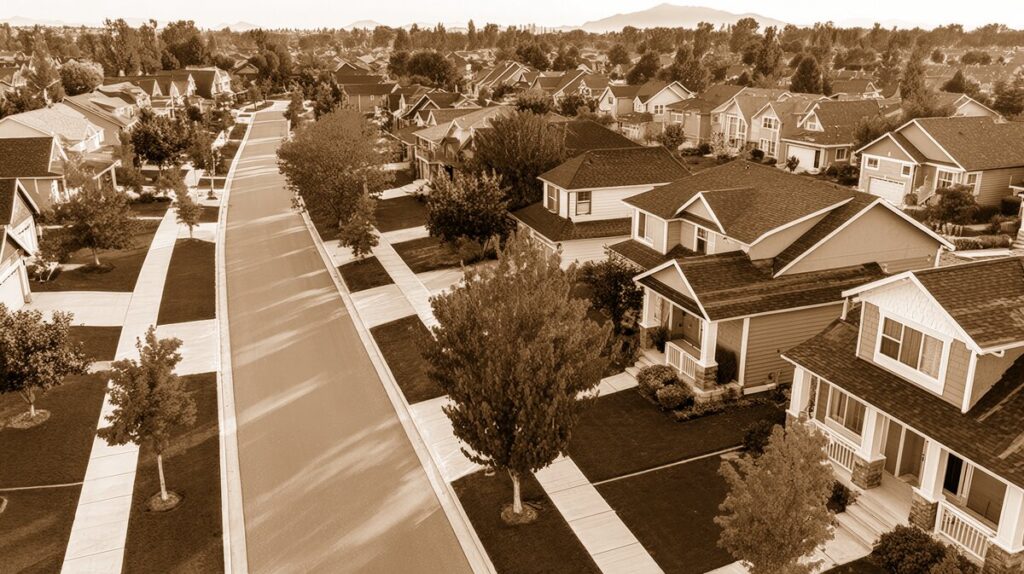
Nestled between the red cliffs of Camelback Mountain and the leafy green canopies of Arcadia proper lies a vibrant neighborhood known as Lower Arcadia. With its tree-lined streets, comfortable homes, and proximity to both the urban core and natural beauty, Lower Arcadia has emerged as one of Phoenix’s most cherished communities. But beyond the popularity and curb appeal lies a fascinating history—a story of agricultural roots, neighborhood pride, and resilient evolution.
Origins: From Citrus Groves to City Streets
Lower Arcadia’s origins trace back to the early 1900s, when this area was part of a flourishing agricultural belt east of Phoenix. In those days, water was the true gold of the desert, and the construction of the Arizona Canal in the late 19th century transformed the arid Salt River Valley into a blooming patchwork of citrus and date groves. The neighborhood’s earliest residents were farmers, many hailing from different parts of the country, drawn by the promise of fertile soil and endless sunshine.
Lower Arcadia’s boundaries today are roughly defined by 44th Street to the west, 68th Street to the east, Thomas Road to the south, and the Arizona Canal to the north. This stretch was once home to thriving citrus orchards—particularly oranges, lemons, and grapefruits—that supplied not only Phoenix but also railway shipments across the American Southwest.
How Lower Arcadia Got Its Name
The name “Arcadia” evokes images of paradise—lush, peaceful, and a retreat from city bustle. True to its name, the Arcadia district (and eventually, Lower Arcadia) was conceived as a garden suburb, where homes rested among fragrant citrus trees and irrigation ditches crisscrossed quiet, shady lots. As the main Arcadia neighborhood matured and grew affluent, residents and realtors began referring to the area just south of the canal—on slightly smaller lots but still rich in greenery and character—as “Lower Arcadia.”
This moniker, initially informal, was embraced by locals who saw their area as a close cousin to north Arcadia, sharing the same charm but with its own welcoming, unpretentious spirit.
Key Historical Milestones
- Postwar Boom (1940s-1950s): The end of World War II ushered in rapid growth throughout Phoenix. Lower Arcadia’s orchards gave way to tidy subdivisions such as Rancho Ventura and Dateland, their midcentury ranch-style homes evocative of the era. Many of these homes still stand, notable for their generous yards and mature shade trees.
- Birth of 56th Street Corridor: 56th Street, running north-south through the heart of Lower Arcadia, became a focal point for neighborhood development, anchoring schools, churches, and community gathering spots.
- Arcadia High School Opens (1958): With the opening of Arcadia High School on Indian School Road, Lower Arcadia gained a central institution and rallying point for generations of families. The high school’s Spartan spirit continues to define the community.
- Modern Renaissance (2000s-present): As Phoenix expanded, Lower Arcadia’s proximity to downtown, Scottsdale, and Tempe drew new residents. The area experienced a “renaissance,” with the renovation of older homes, an influx of young families, and the emergence of popular dining spots along Thomas Road and Indian School Road.
Notable Landmarks and Institutions
Lower Arcadia may seem like a quiet residential enclave, but it boasts several landmarks and beloved hangouts:
- The Arizona Canal: Meandering along the northern edge of the neighborhood, the historic canal remains a lifeline and recreational gem. The canal banks are lined with paths ideal for jogging, biking, or a sunset walk beneath the cottonwood trees.
- Arcadia High School: Set at 4703 E. Indian School Road, Arcadia High’s mid-century modern architecture is instantly recognizable, with proud alumni across Phoenix.
- Pierce Park: Tucked at 2150 N 46th Street, this green oasis features playgrounds, picnic areas, and shaded ramadas—perfect for neighborhood gatherings and Saturday soccer games.
- Old Citrus Packing Houses: While most are gone, you can still spot vestiges of Arcadia’s agricultural past in the occasional historic shed or irrigated lot, whispering stories of the orchards that once dominated the landscape.
Evolution Through the Decades
- The 1970s-1980s: As Phoenix boomed, so did Lower Arcadia. Families appreciated its spacious lots, top-rated schools, and community feel. The South Arcadia Neighborhood Association emerged, advocating for zoning, beautification, and public safety.
- The 1990s: Longtime residents watched as original ranch homes were lovingly maintained—or, increasingly, remodeled. Arcadia Park and Canal paths were revitalized, and a slow influx of new businesses began to appear.
- 2000s-Today: Lower Arcadia evolved from a quiet suburb into a hot spot for new homeowners. Young professionals, artists, and families seeking a “walkable” lifestyle moved in—drawn by the blend of old and new. Today, you'll find sleek remodels beside historic homes, bustling coffee shops, and lively weekend farmer’s markets along Indian School and throughout the area.
Why Lower Arcadia is Special
What sets Lower Arcadia apart isn’t just its central address or its leafy streets—it’s the sense of community and continuity. Block parties, lemonade stands, and holiday parades echo throughout the year. Neighbors gather at O.H.S.O. Brewery for craft beer on the canal or pack the stands at Arcadia High for Friday night football. Change is inevitable, but the neighborhood’s heart remains vibrant and strong.
For many, Lower Arcadia serves as a bridge: Uniting the past—its citrus heritage and midcentury charm—with the promise of tomorrow. Whether you’re strolling down Lafayette Boulevard or pausing beneath a flowering citrus tree in your yard, you’re part of a living history.
Conclusion
Lower Arcadia, with its roots in agriculture, its midcentury bones, and its ever-renewing sense of community, is more than just a Phoenix neighborhood. It’s a testament to what makes the Valley of the Sun special: resilience, beauty, and the bonds between neighbors. Next time you find yourself in Lower Arcadia, take a moment to enjoy the shade, greet a neighbor, and remember—you’re standing in a place where history grows with every season.